Ephesus Ancient City: A Journey Through History, Faith, and Flavors
The Rich History of Ephesus
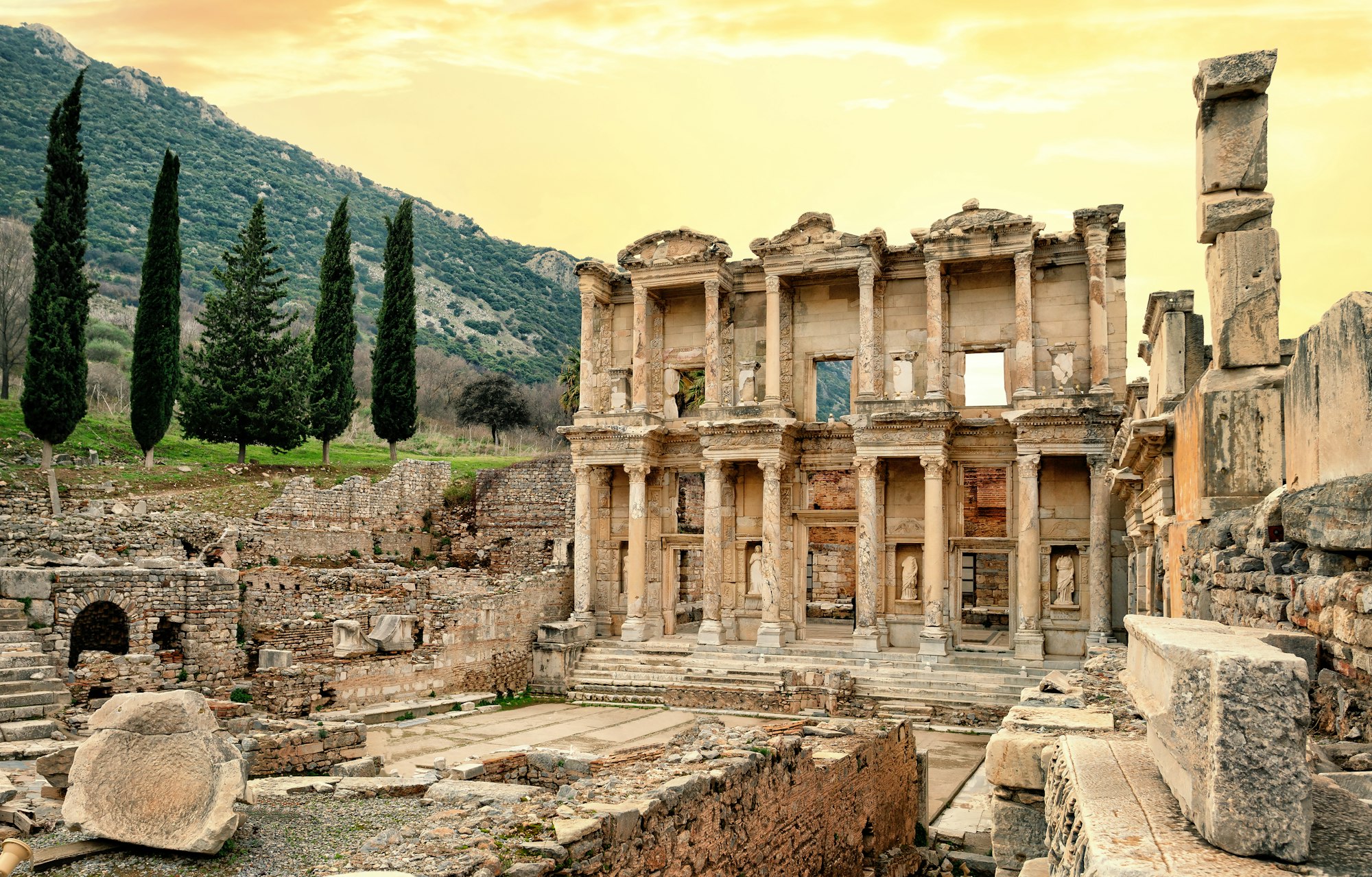
Ephesus, a city of immense historical significance, was founded in the 10th century BC by Greek settlers. Located just 80 km from İzmir and only 19 km from Kusadasi Port, it became one of the greatest cities of the Roman Empire, famed for its wealth and cultural importance. The Temple of Artemis, one of the Seven Wonders of the Ancient World, once stood here, making Ephesus a focal point of ancient religious and trade activity. Today, visitors marvel at the grandeur of landmarks such as the Library of Celsus, the Great Theatre, and the Temple of Hadrian—each a testament to Ephesus’ place in world history.
Ephesus and its Role in Early Christianity
Ephesus also holds a significant place in Christian history. It is believed that the Virgin Mary spent her final years in a small house on a hill near the city, now known as the House of the Virgin Mary. This sacred site attracts Christian pilgrims from around the world. Furthermore, Saint John the Apostle, one of Jesus’ closest followers, lived in Ephesus, and the Basilica of St. John was built in his honor. The city played a pivotal role in the development of early Christianity, hosting the Council of Ephesus in AD 431, which established key theological doctrines that shaped the future of the Church.
Ephesus’ Strategic Location and Ongoing Importance
Strategically situated on the western coast of Asia Minor, Ephesus was a major hub for trade between East and West. In ancient times, its harbor welcomed traders from across the Mediterranean and beyond, while overland routes connected it to key cities of the region. Although the harbor has long since silted up, Ephesus remains a key destination for modern travelers. Today, it is easily accessible from Izmir Adnan Menderes Airport (80 km) and Kusadasi Port (19 km), making it a must-see for tourists arriving by cruise or plane. Its location at the heart of the Aegean region continues to offer visitors a connection to Turkey’s rich cultural heritage.
The Culinary Heritage of Ephesus
Ephesus is not just a city of historical and religious importance; it is also tied to the culinary traditions of the Aegean. The region’s fertile land has supported olive oil production and viticulture for centuries, contributing to the city’s prosperity in ancient times. Today, travelers can embark on wine tasting tours that showcase Ephesus’ role in ancient wine culture. Ephesus also offers a taste of modern Turkish cuisine, where visitors can indulge in local specialties like fresh seafood, olive oil-based dishes, and mezze. A tour of Ephesus is incomplete without experiencing the culinary delights that define the region’s gastronomic identity.
How to Get to Ephesus
Ephesus is located about 1 hour from Izmir Adnan Menderes Airport (80 km) and just 20 minutes from Kusadasi Port (19 km). Visitors arriving by sea can take advantage of tours offered from Kusadasi Port, one of the most popular stops for Mediterranean cruises. Whether arriving by air, land, or sea, Ephesus is a historical treasure that is both easy to reach and deeply rewarding to explore.
Book Your Tour with Us!
For more information on our current tours or to arrange custom group tours in Ephesus, please don’t hesitate to contact us. Let us help you explore the fascinating history, faith, and flavors of Ephesus with our expert guides!